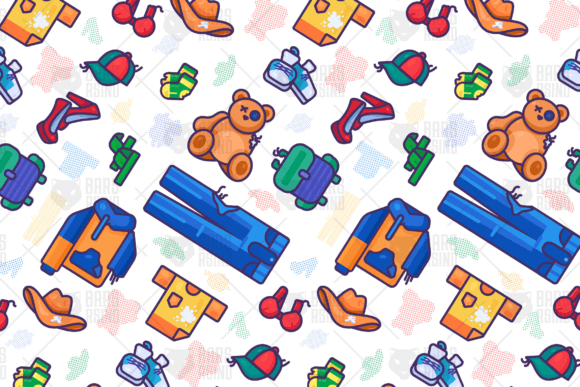
Textile Waste Seamless Pattern Review: Real-World Use for Embroidery Projects
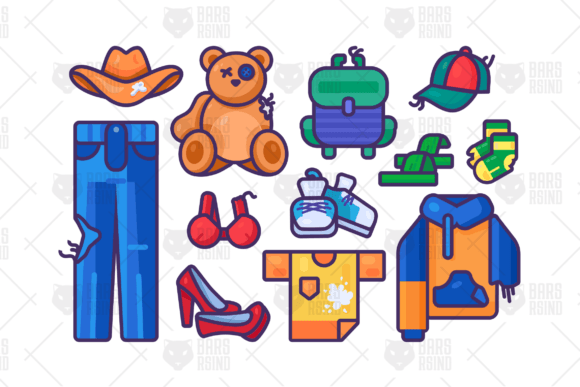
As an embroidery designer who's stitched everything from baby onesies to custom sweatshirts, I know that the right design can elevate a product from ordinary to unforgettable. When I first opened the Textile Waste Seamless Pattern, I was immediately drawn to its visual language — it’s modern, flat, and filled with cartoon-style outlines of trashy textiles like torn bags, spoiled caps, stained cowboy hats, hoodies, jeans, and broken pumps. The theme is bold but subtle enough to work in various applications, which makes it both versatile and conceptually strong.
First Impressions and Design Mood
This pattern communicates a message of environmental awareness without being heavy-handed. Its playful yet slightly edgy aesthetic sits well within today’s eco-conscious market, where consumers are looking for designs that reflect their values. The use of outline vectors gives it a clean and contemporary feel, while the seamless tiling ensures no awkward breaks when repeating across fabric.
Visually, the layout is balanced. The elements are spaced just enough to avoid overcrowding, and the symmetry of the pattern allows it to flow naturally on curved or straight surfaces. It feels intentional, not cluttered — something that’s often missing in many seamless patterns. This is the kind of background that supports more intricate foreground designs or works beautifully on its own as a statement piece.
Real-Life Application Scenarios
I’ve been considering how this design would look on a few different products, and here’s what stands out:
- Tote Bags: A tote bag is one of my favorite blank canvases for embroidered patterns. The Textile Waste Seamless Pattern could be used as a full-panel background or trimmed down to fit a smaller area. Its flat style complements modern minimalism and would make for a great tote bag design in a sustainable line.
- Sweatshirts and T-Shirts: On a sweatshirt, the pattern adds texture without overwhelming the garment. For a t-shirt, especially if you're using a darker fabric, it might need some contrast in thread colors to really pop. But overall, it’s a strong candidate for sweatshirt embroidery.
- Patches and Caps: The embroidered patch version of this design could be perfect for adding a quirky touch to denim jackets or messenger bags. However, when applied to a cap, the curved surface may require some tweaking to maintain clarity and proportion. I’d advise testing the hoop size carefully before committing to production.
- Aprons and Pillow Covers: These items often feature larger embroidery areas, making them ideal for showcasing the pattern’s full potential. The textile waste theme fits especially well with upcycled or handmade aprons, reinforcing a message of reuse and creativity.
- Kitchen Towels and Tea Towels: If you’re into holiday embroidery or creating festive kitchenware, this pattern has a unique edge. It’s unexpected and eye-catching, which could spark interest in your craft business or Etsy shop.
Where to Use It Carefully
While this pattern is visually appealing, there are some scenarios where extra attention is needed:
- Small Hoop Sizes: The pattern contains several small details, so using it in a tiny hoop (like for a keychain or button) might lead to lost clarity. Always check the stitch density and scale accordingly.
- Stretchy or Thin Fabrics: Because of the nature of the pattern, I’d avoid using it on stretchy materials like spandex blends unless you're using a very stable backing. Thin fabrics can also struggle with dense stitch areas, potentially causing puckering or distortion.
- Dark Fabric Backgrounds: The cartoon outlines may not show up as clearly on black or navy fabric. Consider using white or light-colored threads to enhance visibility.
- Curved Surfaces: As mentioned earlier, caps or other rounded items will require some adjustment. The pattern may need to be segmented or mirrored to ensure even coverage and avoid distortion at the edges.
- Frequent Washing: If you plan to use this design on everyday items like aprons or towels, make sure to test how it holds up after multiple washes. Dense stitching and certain thread types can wear over time.
Design Notes for Embroidery Success
Here are a few tips I follow when working with new machine embroidery designs:
- Test on Scrap Fabric First: Always try the design on a sample before going all-in. It helps catch any issues with stitch flow or tension early on.
- Check Thread Color Contrast: Depending on the final product, you may need to adjust thread colors for better visibility. Darker tones on light fabric usually work best.
- Review Stitch Density: Some parts of the pattern may have denser fill stitches. If you're embroidering on delicate fabric, reducing stitch density or spacing can help prevent damage.
- Confirm Hoop Size: The design may come in multiple sizes, but if it doesn’t, scaling it too much can affect stitch integrity. Stick to recommended or tested dimensions.
- Inspect Small Details: The torn bag and broken pump elements are quite detailed. Make sure they don’t become muddled when scaled down or stretched across seams.
- Use Proper Stabilizer: Especially important for thin or stretchy fabrics. Tear-away or cut-away stabilizers can help maintain shape and prevent shifting during stitching.
- Test Black-and-White Mockups: Before purchasing thread in color, run a quick mockup to see how the design translates in grayscale. This helps visualize how it’ll look under different lighting conditions.
- Compare Light and Dark Backgrounds: Try the pattern on both white and black fabric to understand its adaptability and how it affects the overall handmade product aesthetics.
- Verify Licensing: If you're planning to sell finished items or digital design assets, always confirm whether the digital embroidery file allows commercial use. Without proper licensing, your project could hit legal roadblocks.
Impact on Visual Appeal and Branding
The Textile Waste Seamless Pattern isn’t just another filler graphic — it tells a story. In the right context, it can add depth and personality to your custom apparel or personalized gift. Its modern, flat style aligns well with current design trends, especially among younger audiences who appreciate clean visuals with a message.
From a branding standpoint, this pattern can help reinforce your small shop product identity if sustainability is part of your narrative. Whether you're an Etsy seller or running a boutique, having a consistent theme across your embroidery project builds recognition and trust with customers.
Customer Reactions and Market Fit
In my experience, people respond positively to designs that speak to their values. The textile waste theme resonates with eco-conscious buyers, and the cartoonish approach softens the message, making it more accessible. That said, it might not appeal to everyone — so consider your target audience before applying it broadly.
On personal projects, I found that it adds a fun twist to otherwise simple gifts. An embroidered pillow cover with this pattern turned heads at a recent craft fair. It’s memorable, which means higher buyer engagement and repeat sales potential for commercial embroidery ventures.
Professional vs. Hobbyist Use
For hobbyists, this pattern is a fantastic addition to a growing embroidery file library. It’s easy to apply and looks polished even with basic equipment. However, professionals should take note of the stitch count and complexity to ensure it meets their standards for durability and precision.
If you're working on a high-volume order for a client, such as branded sweatshirts or patches for a boutique, I recommend running a few samples through different machines and settings to verify consistency. The goal is always to deliver a finished product that looks good and lasts long.
Final Thoughts for Crafters and Makers
The Textile Waste Seamless Pattern is a standout in the world of patterns and graphics for embroidery. It brings a fresh perspective to the topic of textile waste while maintaining a clean, modern aesthetic that works well across a range of products. Whether you're designing a personalized item or crafting a line for resale, this pattern offers both creative value and practical functionality.
Just remember to tailor your application based on the material and machine you're using. With the right prep work and attention to detail, this design can become a valuable asset in your embroidery project toolkit — helping you stand out in a crowded market with thoughtful, stylish, and meaningful handmade product offerings.