PI 3.1416 Vector T-Shirt Design Review for Real Projects
Embroidery design reviews are more than just a quick look at the file — they're about understanding how a design will behave in real-world applications. As someone who's stitched hundreds of designs across a wide range of products, I've learned that not every digital graphic translates well to fabric. That’s why when I opened the PI 3.1416 Vector T-Shirt Design, I took a step back and considered its practicality before jumping into the hoop.
First Impressions: A Clean, Modern Graphic with Personality
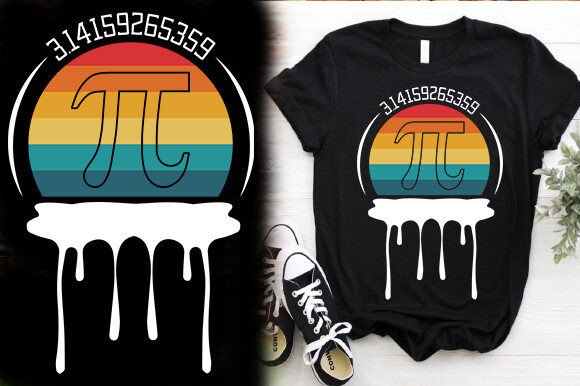
The PI 3.1416 Vector T-Shirt Design is a stylized representation of the mathematical constant π, wrapped in a modern aesthetic. The use of 100 resizable vector shapes gives it a sharp, clean edge right out of the box. It feels both intellectual and playful, which makes it versatile enough for a variety of audiences. The layout is balanced, and while the design doesn’t include intricate details or tiny lettering, it maintains a sense of visual interest through clever shape layering and spacing.
This isn't your typical t-shirt design. It speaks to a niche but growing market — people who appreciate minimalist art with a twist of nerdy charm. It could easily be reimagined as a coffee mug graphic, tote bag design, or even part of a boutique branding package.
Real-World Application: What Works and Where to Be Careful
I recently tested this design on a custom sweatshirt project for a local tech startup. Their goal was to create branded merchandise that felt smart and stylish without being too flashy. The PI 3.1416 design fit perfectly into that vision. Its scalability allowed me to enlarge it slightly for better visibility on a larger garment while keeping all proportions intact. That’s a big plus for any embroidery designer working with variable sizes.
However, I also tried using it on a baby onesie made from stretchy cotton jersey. While the concept worked, the small details started to distort slightly due to the fabric’s elasticity. This taught me an important lesson: even though the embroidery file is fully editable and high quality, it still needs to be adapted for specific materials and surfaces.
Best Suited For:
- Tote bags and sweatshirts where the design can breathe and maintain clarity
- Baby clothes with simpler color schemes and less complex stitching
- Holiday gifts and personalized items for math enthusiasts or STEM-themed events
- Custom apparel for startups, co-working spaces, or educational institutions
- Printable mockups and digital product previews for Etsy sellers or online craft stores
- Commercial embroidery projects that require consistent branding across multiple items
Use with Caution On:
- Small hoop sizes — the detail level might get lost
- Textured fabrics like flannel or denim — stitch density may need adjustment
- Thin or stretchy materials — could lead to puckering or distortion
- Dark fabric backgrounds — thread contrast becomes critical
- Curved surfaces such as caps or hats — scaling might affect alignment
- Products that undergo frequent washing — consider durability of thread and stabilizer
Design Flexibility and Editability
One of the standout features of the PI 3.1416 Vector T-Shirt Design is its full editability in EPS 10 and SVG formats. This means you can tweak colors, adjust sizing, or modify elements without losing quality. As a designer who often works with clients looking for unique variations, this flexibility is essential. You can turn a simple black-and-white motif into a vibrant multi-color statement piece depending on the audience and product type.
For instance, I used a lighter palette for a springtime tote bag and a bold red-on-black version for a winter hoodie. Both were well-received, but only because I had time to experiment and find the best visual balance. If you're planning to offer this as part of your handmade product line or craft business, testing different color combinations on various backgrounds is a must.
Stitch Clarity and Embroidery Technique
Since this is a machine embroidery design, the way it stitches matters. The design uses a combination of running stitch and satin stitch, which keeps it light yet defined. There are no dense fill areas that might cause issues with heat or wear, making it ideal for embroidered patches or lightweight apparel like aprons and pillow covers.
But here's the catch: if you’re using it on something like a kitchen towel or tea towel, you’ll want to reduce stitch density to prevent the fabric from pilling or fraying after repeated washes. Always test it first on scrap material to see how it holds up. This is especially true for anyone selling finished products or digital embroidery files — you don’t want customers coming back with complaints about fabric damage or misaligned graphics.
Customer Reactions and Market Appeal
In my experience, people either love geometric and mathematical motifs or they don’t. But among those who do, there's a strong emotional connection — particularly in communities like STEM educators, college students, or DIY hobbyists. When I presented the PI 3.1416 design in a handmade product lineup, it stood out as both professional and personal. Customers could see the thought behind it, and that elevated the perceived value of the item.
It also helped with brand recognition. The same design applied to a patch and a printable mockup created a cohesive look across their merch line. That kind of consistency is invaluable for small shop product branding or anything sold on platforms like Etsy. Buyers engage more when they see a unified identity in your design assets.
Designer Notes for Successful Use
- Test on scrap fabric first. Especially if you're using it for commercial purposes or selling finished goods.
- Check thread color contrast. On dark fabric, consider using metallic or white threads to make it pop.
- Review stitch density. Lower it for delicate or frequently washed items to preserve fabric integrity.
- Confirm hoop size based on your machine and the final placement. Don’t assume; measure.
- Inspect small details. Since it's built with many vector shapes, ensure each one aligns correctly after resizing.
- Try black and white mockups to evaluate how it looks without color influence.
- Compare it on light and dark backgrounds — this helps determine whether the design reads clearly.
- Use proper stabilizer for stretchy or thin materials to avoid distortion during stitching.
- Check licensing terms before offering the design for sale as a digital product or in finished items.
Where This Design Adds Value
What really impressed me was how the PI 3.1416 Vector T-Shirt Design enhanced the overall presentation of the finished product. It wasn’t just about the design itself — it was how it contributed to the story of the item. Whether it was a personalized gift for a friend's birthday or a professional embroidered patch for a client, it added a touch of sophistication and uniqueness.
For Etsy sellers and creative entrepreneurs, this kind of visual appeal is crucial. People buy what they connect with, and this design has a subtle way of making that connection. Just don’t forget to pair it with the right product and fabric choice. A good rule of thumb is to let the design guide the product, rather than forcing it onto anything just because it looks cool.
A Practical Takeaway for Embroidery Designers
If you're considering adding the PI 3.1416 Vector T-Shirt Design to your portfolio or using it in a client project, think beyond the file format. Ask yourself: does this work with the intended fabric? Does it scale well for the size of the item? Can I modify it without compromising the original intent?
As an embroidery reviewer and practitioner, I recommend this design for projects that benefit from a modern, clean look with minimal fuss. It's not the most detailed design around, but that’s exactly why it works so well in many contexts. It avoids overwhelming the viewer and instead invites them to appreciate the simplicity and precision behind it.
So whether you're a seasoned apparel decorator or a new handmade shop owner, take the time to understand how this design fits into your workflow. It's a great asset for the right application — just make sure it's the right one for your next embroidery project.