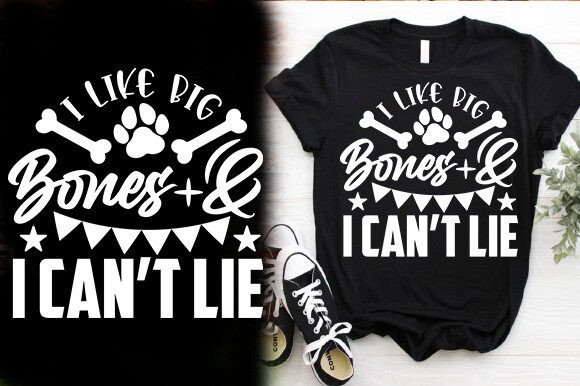
I Like Big Bones and I Can’t Lie T-Shirt Design Review
As a designer who regularly works with machine embroidery designs, I always look for graphics that not only stand out visually but also hold up in real-world stitching scenarios. The “I Like Big Bones and I Can’t Lie T-Shirt” design caught my attention at first glance, thanks to its bold typography and playful tone. It’s the kind of graphic that feels instantly recognizable — like something you might see on a fun coffee mug or a cheeky tote bag. But how does it translate into an actual embroidery project? Let’s dig into what this design brings to the table and where it might need some careful handling.
First Impressions: Bold, Fun, and Fully Editable
The moment I opened the digital file, I was impressed by the structure. Built with 100 resizable vector shapes, the design allows for easy resizing without losing quality. This is a big plus when working on different product sizes, from small embroidered patches to large sweatshirt prints. The phrase itself is catchy and has a strong visual identity — all caps, with a clear emphasis on the words “Big Bones,” which gives it a humorous yet confident vibe.
Visually, the layout is straightforward. No complicated background elements or overlapping layers — just clean text with subtle embellishments that add character. For someone looking to create a personalized gift or a standout piece of custom apparel, this makes the design versatile and adaptable. The theme screams casual wear and street-style flair, making it ideal for trendy boutique products or Etsy listings targeting humor-loving customers.
Resizing and Color Flexibility
One of the key strengths of this design is its color flexibility. As a professional, I know that being able to adjust thread colors is essential for matching brand palettes or fabric tones. The ability to change colors easily means this can work well as a custom apparel asset across a wide range of uses. Whether you're creating a line of baby clothes or holiday gifts, you’ll appreciate the control over the final appearance.
Working with EPS 10 and SVG files gives me confidence in its adaptability. These are industry-standard formats for digital embroidery files, allowing for precise editing in software like Adobe Illustrator or CorelDRAW. The fact that it’s fully editable means no guesswork when adjusting fonts, spacing, or adding your own touch — perfect for creative entrepreneurs who want to tailor their handmade products.
Real-World Embroidery Use: Where It Shines
This design truly comes into its own on larger projects. Imagine preparing a custom embroidered tote bag for a fall sale. The bold text would pop beautifully against a white canvas tote, especially if you use contrasting thread colors like navy or black. The same goes for sweatshirts — the size and clarity of the design make it ideal for front placement, ensuring it remains legible and eye-catching even after multiple washes.
It also works surprisingly well as a printable mockup for digital product sellers. When layered onto clothing templates or lifestyle images, the graphic maintains its crispness and charm. That’s important if you’re selling digital embroidery assets, as clients expect them to render clearly in both preview and final stitched form.
For handmade shop owners and hobbyists, the design is a solid choice for baby items like onesies or bibs. The message is light-hearted and age-appropriate, and the simplicity of the font helps avoid any issues with stitch distortion on stretchy fabrics. Just keep in mind that while it’s great for cotton blends, it may require some adjustments on more delicate materials.
A Good Fit for Commercial Projects
If you're running a craft business or managing an Etsy store, this design could become a staple in your collection. Its friendly, modern aesthetic fits well with casual lines of apparel and accessories. From aprons to pillow covers, the graphic holds its shape and retains clarity, which is crucial for maintaining professionalism in your finished products.
What I love most is how it builds brand consistency. If you're using it repeatedly across t-shirts, stickers, or posters, the consistent style and scalability help reinforce your brand's visual language. And let’s be honest — customers respond to personality. A shirt with this design can spark conversation, increase buyer engagement, and ultimately boost sales, especially during the holidays or special events.
Where Caution Is Advised
Despite its many positives, there are a few places where I’d recommend using this design carefully. First off, if you plan to embroider it on a curved surface like a cap or hat, you’ll need to split the design and possibly reduce its size. While the overall layout is simple, the corners and curves of letters can get distorted if not properly adjusted for such surfaces.
Another thing to watch for is hoop size. Since the design is meant for large-format applications, trying to fit it into a smaller hoop may result in stretched stitches or loss of detail. Always confirm your machine’s capabilities before attempting a resize. Also, if you're working with textured or stretchy fabrics, consider reinforcing with a good stabilizer. Without proper support, the graphic may lose its crisp edges, especially in satin-stitched areas.
Lastly, be mindful of dark fabric backgrounds. Because the design relies heavily on contrast, printing or stitching it on darker materials may require testing to ensure visibility. I suggest creating a black and white mockup before finalizing your project to check how the design will show up on various shades.
Small Details Matter
While the main text is bold and clear, some of the supporting details — like decorative accents or tiny lettering in the corners — may require extra attention. On thin or lightweight fabrics, these elements could become less defined or even disappear after washing. Always test the design on scrap fabric before committing to a full run, especially if you're planning to sell the finished product.
Design Notes for Pros and Makers
- Test on Scrap Fabric: Before stitching on a client’s garment or your own merchandise, try the design on a sample piece. It helps catch potential issues early.
- Check Thread Contrast: Make sure your chosen thread colors provide enough contrast against the fabric. This affects visual appeal and readability.
- Review Stitch Density: High-density areas, like the inner parts of letters, may cause puckering on certain fabrics. Adjust accordingly for better results.
- Confirm Hoop Size: Resize only if necessary and always verify that your hoop can accommodate the entire design without stretching.
- Inspect Small Details: Look closely at any intricate parts of the design to ensure they remain intact after resizing and stitching.
- Use Proper Stabilizer: Especially on stretchy or slippery fabrics, a tear-away or cut-away stabilizer can make a big difference.
- Consider Licensing: If you're planning to sell the finished product or distribute digital files, double-check the licensing terms. Not all embroidery graphics are suitable for commercial use.
Final Thoughts on Visual Appeal and Professionalism
In terms of visual appeal, this design scores high. It’s memorable, slightly irreverent, and has broad appeal. Customers seem to connect with it, especially those looking for a bit of humor in their wardrobe. However, for a more polished look, especially in commercial embroidery settings, consider simplifying the design or adjusting the stitch types used in key areas.
From a stitching perspective, the design handles satin stitch and fill stitch well. But if you're going for a running stitch effect or using it as an applique design, you’ll need to tweak the file to suit your technique. The balance between artistic flair and technical execution is something every experienced embroiderer must manage, and this design gives you the tools to do so.
Matching the Right Project to the Design
Here’s how I’d personally use this design:
- Tote Bag Design: Large front placement with a vibrant thread color for maximum impact.
- Sweatshirt Embroidery: Centered on the chest, using tonal colors for a softer, more wearable look.
- Embroidered Patch: Trimmed down to fit a small hoop, focusing on the central text and removing minor details.
- Baby Onesie or Bib: Resized for smaller scale, using gentle pastel threads for a sweet twist on the original concept.
- Holiday Gift: Printed as part of a personalized set, maybe paired with festive borders or seasonal motifs.
Each of these variations shows the adaptability of the design. What’s most important is understanding the product value it adds. When done right, it enhances customer trust in your work and elevates the presentation of your handmade products. It’s not just about looking good; it’s about delivering a finished product that stands up to scrutiny and keeps coming back season after season.
Why This Design Works for Creative Entrepreneurs
For Etsy sellers and craft fair participants, this design offers a unique edge. It’s not too serious, not too edgy — it strikes the perfect balance between approachable and stylish. It’s one of those rare graphics that can be sold across multiple categories, from casual wear to home decor, without feeling out of place.
Its giftability factor is high, too. People often buy embroidered items for friends, family, or even themselves because they resonate with the message. The recognition factor plays into this — once someone sees the design, they remember it. That’s powerful for branding and repeat buyers.
Wrap-Up: Practical, Playful, and Ready to Work
Overall, the “I Like Big Bones and I Can’t Lie T-Shirt” design is a strong contender for anyone involved in embroidery projects. It’s practical for a variety of uses, easy to modify, and has the visual punch needed to stand out in a crowded market. But like any good design asset, it requires thoughtful application and a bit of tweaking depending on the fabric, product type, and end-use scenario.
If you’re considering this for your next handmade product or small shop merchandise, take the time to test it thoroughly. Understand the limitations, respect the format, and don’t hesitate to personalize it to fit your style. With the right approach, this design can become a reliable part of your embroidery toolkit — whether you're crafting for yourself or scaling up for a craft business.